


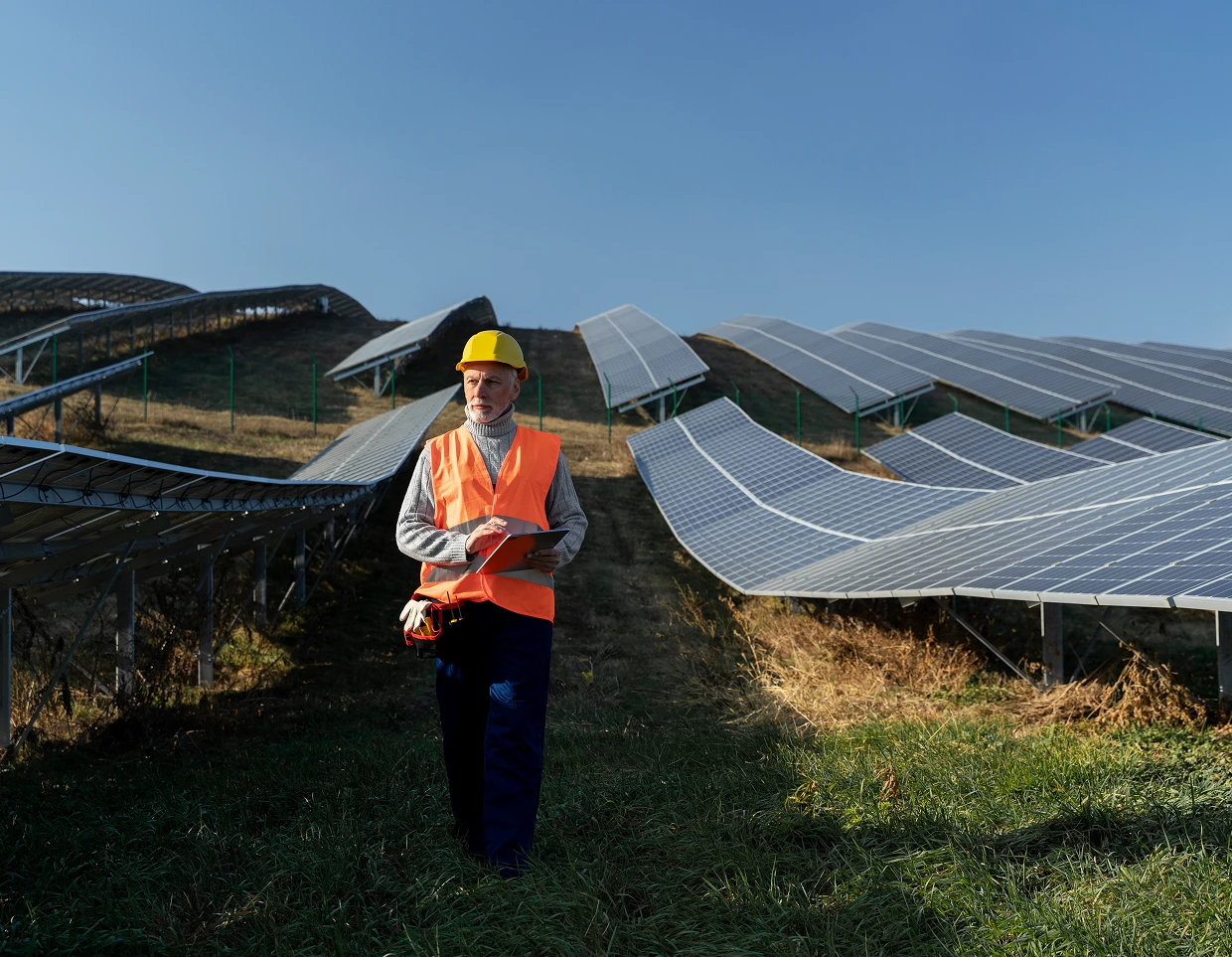
Project Overview
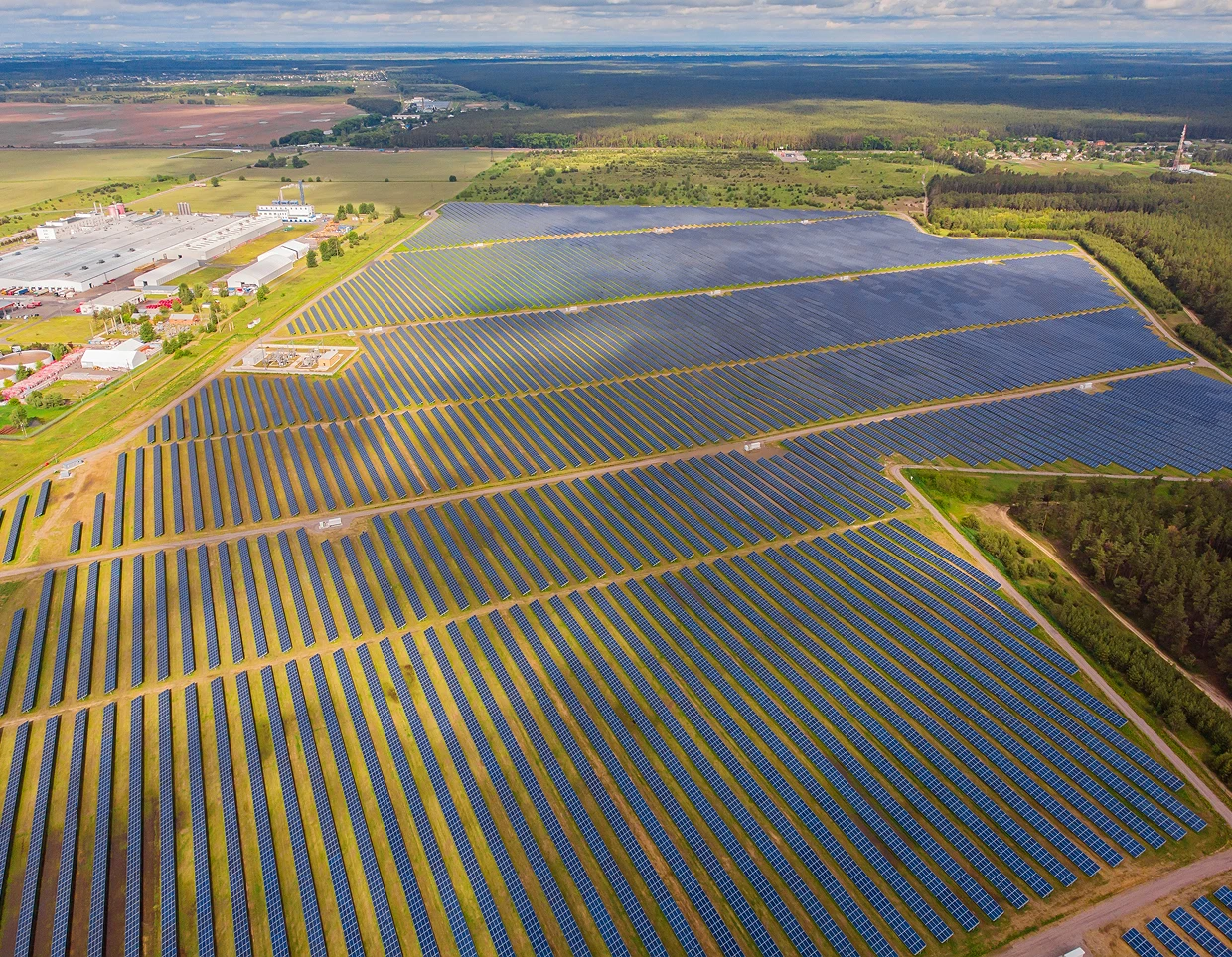
SkyVolt Array is a utility-scale solar installation designed to deliver consistent, grid-ready power output across a multi-hectare site. Rather than applying a standardized deployment template, the project was engineered from the ground up around the site's specific solar exposure, seasonal sun angles, and irregular terrain. That upfront investment in site-specific engineering took longer to plan than a generic layout would have, but it set the array up to produce meaningfully more usable power across its operating lifetime than a one-size-fits-all installation could.
Site Assessment & Engineering
- Full topographic and shading analysis to optimize panel orientation across uneven terrain, accounting for how sun angles shift through the seasons rather than assuming a fixed exposure year-round.
- Load and grid-interconnection study to confirm capacity requirements, coordinated directly with the utility's own interconnection standards to avoid delays at the commissioning stage.
- Structural engineering for ground-mount racking suited to the site's specific soil conditions, since a racking system designed for firm, level ground would not have held up reliably here.
Installation & Commissioning
- Phased panel deployment across the array, sequenced section by section to minimize site disruption and catch installation issues early rather than after the entire array was in place.
- Inverter and monitoring system integration for real-time performance tracking, giving visibility into output at both the array level and the individual string level.
- Full commissioning and grid connection testing before handover, confirming the system met utility interconnection requirements under real load conditions rather than passing only on paper.
Site Challenges
The site's uneven terrain and partial shading from a nearby tree line ruled out a uniform racking layout from the start. Instead of forcing a standard grid onto ground it wasn't suited for, each row was positioned individually based on a full shading study conducted across multiple times of day and multiple seasons. That meant a slower, more deliberate install process than a flat, unobstructed site would have required, trading a faster standardized build for meaningfully better year-round output.
Ongoing Monitoring
The array now runs on a remote monitoring setup that tracks output in real time at both the array and string level, rather than only reporting aggregate totals that could mask a localized problem. The system is configured to flag underperforming strings automatically before they become a real, measurable loss in production, meaning issues can typically be caught well before they show up as a meaningful dip in overall output. That also reduces how often a technician needs to visit the site in person just to check on things.
Equipment & Materials
The array uses tier-1 monocrystalline panels, selected for their higher efficiency per square meter on a site where usable land was itself a constraint. These are paired with string inverters sized to the site's specific voltage requirements rather than a single central inverter, a deliberate choice, since it means a single component failure affects only the one string it's connected to rather than taking down the array's entire output while a repair is scheduled.
Project Timeline
From initial site assessment to full grid connection, the build ran across several distinct phases rather than one continuous push. Timing was spaced deliberately to match panel delivery schedules and the pace of local permitting turnaround, since compressing everything into a single continuous window would have meant idle crew time waiting on deliveries or approvals rather than genuinely faster delivery overall.
Outcome
The completed array now operates as a stable, utility-scale power source, with monitoring systems in place to track output continuously and flag maintenance needs proactively rather than reactively. The site-specific engineering work done upfront, the shading study, the individualized row positioning, the string-level monitoring, is the reason the array performs closer to its theoretical output ceiling than a standardized build on the same terrain likely would have.

FAQ
Got Any Questions?
Clear answers about our solar solutions, installation process, and long-term performance—so you know exactly what to expect before getting started.
For most residential and small commercial projects, installation takes 1–3 days once permits and approvals are in place. Larger or more complex systems may take longer. The full process—from assessment to activation—typically spans 2–6 weeks, depending on local regulations.
We provide end-to-end energy solutions for businesses, including solar system design and installation, energy audits, efficiency optimization, battery storage, and long-term maintenance. Every setup is tailored to reduce operational costs and improve energy independence.
Yes. All systems include manufacturer warranties on panels and inverters, along with a workmanship warranty on installation. Warranty terms vary by product, but most panels are covered for 20–25 years.
Absolutely. Small businesses often see some of the fastest returns on investment due to predictable energy usage and rising electricity costs. We scale systems based on actual demand, not assumptions.
Solar systems require minimal maintenance. Occasional cleaning, system monitoring, and annual inspections are usually sufficient. We offer maintenance plans to ensure optimal performance and early issue detection.

Built on the belief that better energy decisions start with clarity and trust.