


Project Overview
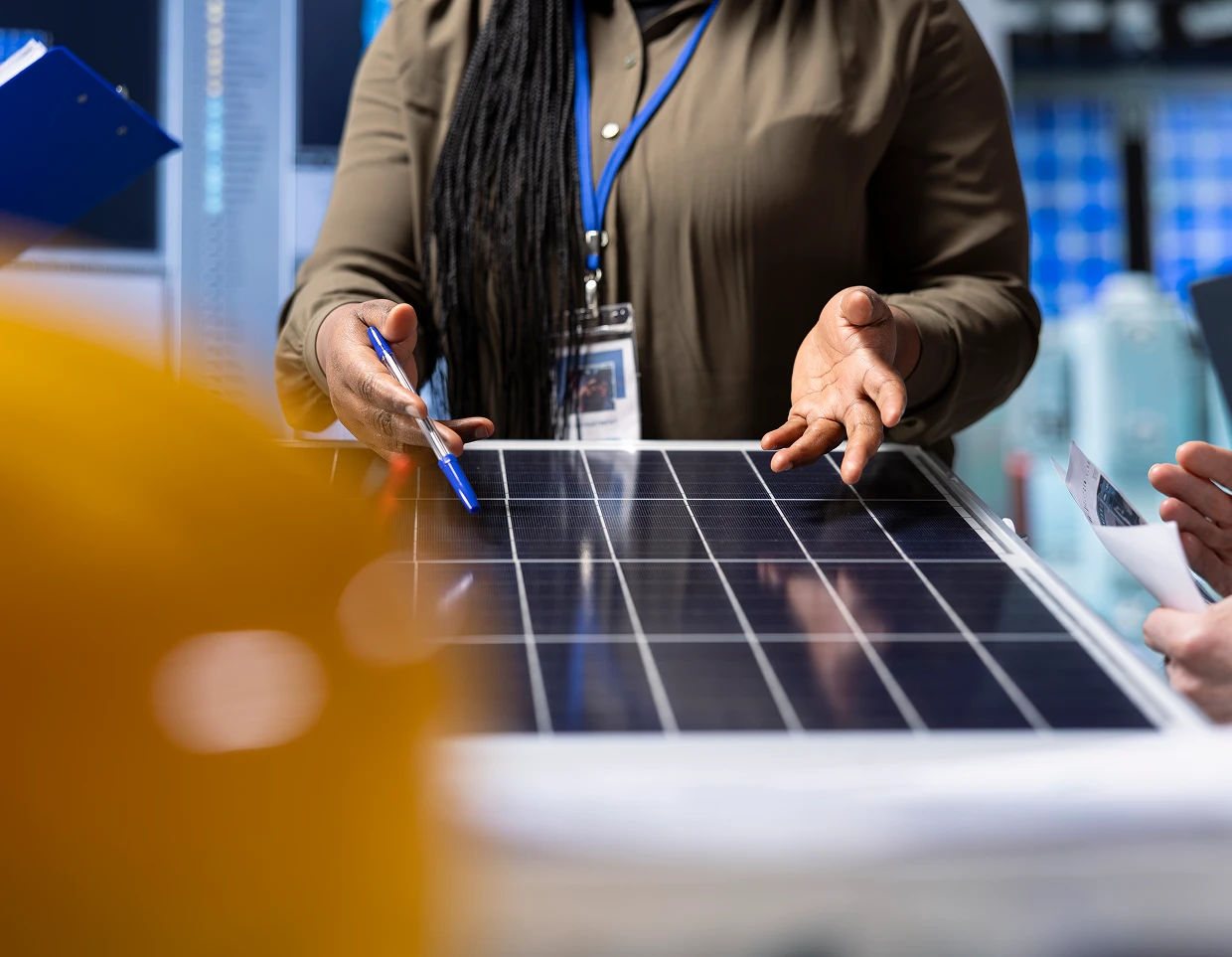
PowerHub Facility is a public infrastructure solar installation supporting a community-serving building's energy needs. Because the facility remained open and operational throughout the project, the work required close, ongoing coordination with facility operations from the earliest planning stages, not just to avoid downtime, but to make sure normal public use of the building was never meaningfully disrupted.
Planning & Compliance
- Coordination with facility management to schedule installation around active operating hours, agreed on in advance rather than negotiated ad hoc as work progressed.
- Permitting and compliance review specific to public infrastructure standards, which carry additional requirements beyond a typical commercial or residential install.
- Structural assessment of the existing roofline for solar load capacity, confirming the building could support the added weight without requiring reinforcement work.
Installation & Integration
- Installation phased deliberately to keep the facility fully operational throughout, rather than requiring a full closure at any point in the process.
- Integration with the building's existing electrical infrastructure, designed to work alongside systems already in place rather than requiring a parallel setup.
- Performance monitoring system installed for ongoing facility oversight, giving staff visibility into the system without needing outside support for routine checks.
Working Around Public Operations
Because the building stayed open to the public throughout the project, work was scheduled in blocks that deliberately avoided peak visiting hours. Noise-generating steps like structural mounting were confined to early mornings, agreed on with facility staff well in advance rather than decided on the fly, a level of coordination that added planning overhead but meant the public using the facility rarely noticed construction was happening at all.
Facility Reporting
Facility management now receives a simple output summary alongside their existing utility billing, rather than a separate report requiring its own review process. That makes it straightforward for staff to see the system's contribution against the building's overall energy costs at a glance, without needing to cross-reference two unrelated sources of information.
Equipment & Load Considerations
System sizing accounted carefully for the facility's existing electrical load profile before any equipment was selected. The goal was for the new solar input to integrate cleanly with equipment already running in the building, rather than requiring a separate parallel system that would have added unnecessary complexity, and cost, to a facility that already had established infrastructure in place.
Project Timeline
The installation was completed using scheduled downtime windows that facility management had already planned as part of their own maintenance calendar. Rather than requesting new closures on top of an already-set schedule, the project was built around windows that existed regardless of the solar work, keeping disruption to a minimum for staff and the public alike.
Outcome
The facility now draws a meaningful portion of its power from the installed system, reducing operating costs without disrupting the services it provides to the public. The coordination work done upfront, around scheduling, load integration, and reporting, is what allowed that outcome without the disruption that a less carefully planned public-facility install could have caused.


FAQ
Got Any Questions?
Clear answers about our solar solutions, installation process, and long-term performance—so you know exactly what to expect before getting started.
For most residential and small commercial projects, installation takes 1–3 days once permits and approvals are in place. Larger or more complex systems may take longer. The full process—from assessment to activation—typically spans 2–6 weeks, depending on local regulations.
We provide end-to-end energy solutions for businesses, including solar system design and installation, energy audits, efficiency optimization, battery storage, and long-term maintenance. Every setup is tailored to reduce operational costs and improve energy independence.
Yes. All systems include manufacturer warranties on panels and inverters, along with a workmanship warranty on installation. Warranty terms vary by product, but most panels are covered for 20–25 years.
Absolutely. Small businesses often see some of the fastest returns on investment due to predictable energy usage and rising electricity costs. We scale systems based on actual demand, not assumptions.
Solar systems require minimal maintenance. Occasional cleaning, system monitoring, and annual inspections are usually sufficient. We offer maintenance plans to ensure optimal performance and early issue detection.

Built on the belief that better energy decisions start with clarity and trust.